
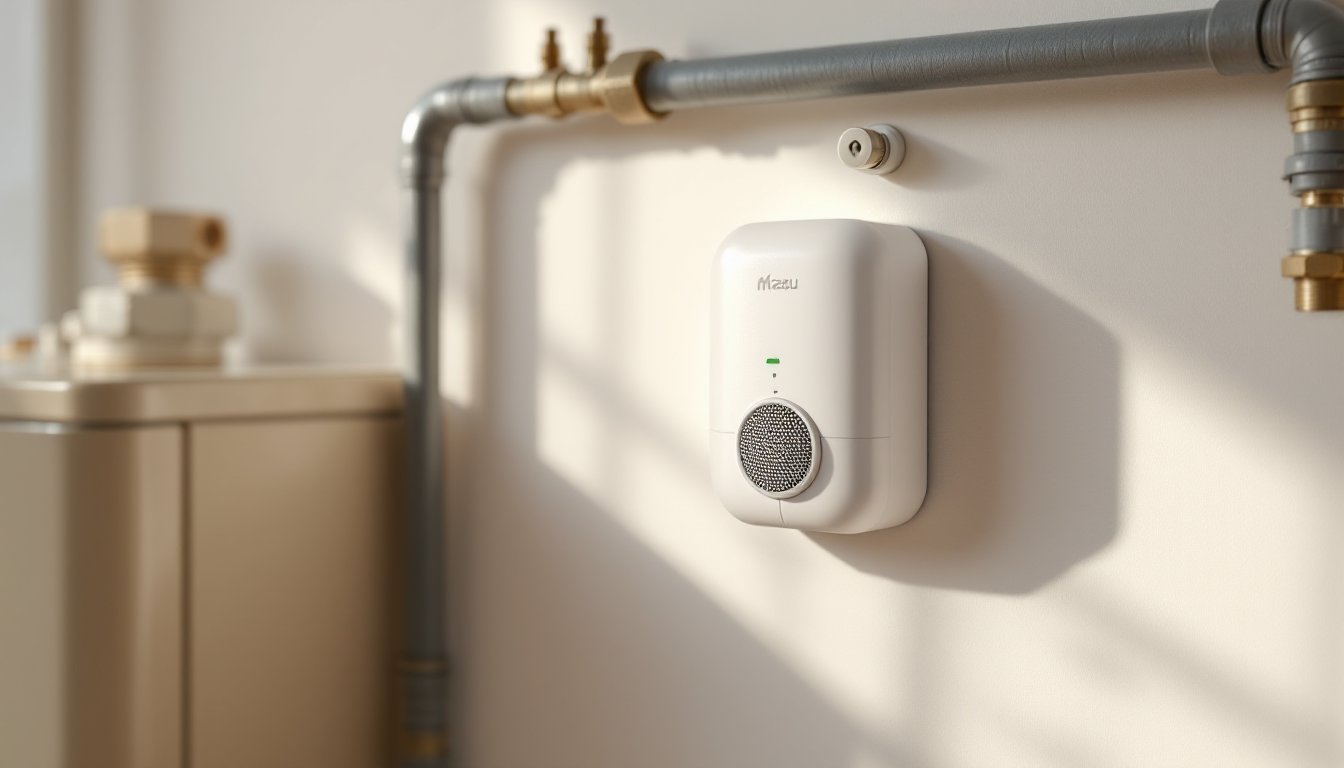

Natural gas is a clean, efficient fuel that powers millions of homes, but it’s also colorless, odorless in its pure form, and potentially deadly when it accumulates. That’s why utility companies add mercaptan, the rotten-egg smell, as a warning. But what if your sense of smell isn’t sharp, or you’re asleep when a leak starts? That’s where a natural gas leak detector earns its place on your home safety checklist. These devices monitor the air continuously, sounding an alarm before concentrations reach dangerous levels. Whether you’re installing one near your furnace, water heater, or gas range, understanding how they work and which type fits your setup can make all the difference.
Table of Contents
ToggleKey Takeaways
- A natural gas leak detector continuously monitors the air for methane and other hydrocarbon gases, sounding an alarm before dangerous concentrations develop—working where your sense of smell may fail.
- Most detectors use either semiconductor sensors (budget-friendly, quick response) or catalytic bead sensors (more stable, fewer false alarms), with the right choice depending on your home’s gas appliances and budget.
- Portable handheld detectors are ideal for spot-checking connections after appliance installation, while fixed plug-in or hardwired models provide 24/7 monitoring and smart home integration for continuous protection.
- Proper placement is critical: mount natural gas detectors 12–18 inches below the ceiling in rooms with gas appliances, and always install catalytic-sensor models with UL 1484 certification for reliability.
- Regular maintenance—monthly test button checks, quarterly vent cleaning, and sensor replacement every 5–7 years—ensures your natural gas leak detector stays responsive and effective.
- If your detector alarms and you smell gas, evacuate immediately and call 911 or your utility’s emergency line from outside; never use electrical switches, lights, or phones indoors.
What Is a Natural Gas Leak Detector and How Does It Work?
A natural gas leak detector is an electronic device that monitors the air for the presence of methane and other hydrocarbon gases. Unlike smoke or carbon monoxide detectors, which respond to combustion byproducts, a gas leak detector for home use identifies unburned fuel before it can ignite or displace oxygen.
Most detectors use one of two sensing technologies:
- Semiconductor sensors heat a metal-oxide element: when methane molecules contact the surface, they alter electrical resistance, triggering the alarm. These are common in budget-friendly models and respond quickly to gas concentrations around 5,000 ppm (parts per million), well below the lower explosive limit of roughly 50,000 ppm.
- Catalytic bead sensors oxidize gas on a heated platinum coil, measuring the temperature change. They’re more stable over time and less prone to false alarms from household aerosols or humidity spikes.
When gas concentration crosses the device’s threshold, typically 10–15% of the lower explosive limit, an audible alarm sounds (often 85 dB or louder), and many models display a digital readout or flash an LED. Some smart detectors send push notifications to your phone, useful if you’re away or the leak occurs in a basement you rarely visit.
Why Every Homeowner Needs a Gas Leak Detector
Building codes don’t universally mandate gas detectors the way they do smoke alarms, but that doesn’t mean they’re optional. Here’s why:
Leak scenarios happen more often than you’d think. Aging gas lines, loose fittings after appliance installation, or a pilot light that won’t stay lit can all introduce slow leaks. A cracked gas line in a crawlspace or a loose connector behind a dryer may go unnoticed until someone strikes a match or the furnace cycles on.
Mercaptan isn’t foolproof. The additive that gives natural gas its signature smell can fade in certain conditions, like when gas seeps through soil or sits in old iron pipes. People with reduced sense of smell, whether from age, allergies, or medical conditions, may not detect it until concentrations are high.
Carbon monoxide detectors won’t catch unburned gas. CO alarms only activate when combustion is incomplete. A gas leak detector fills the gap, alerting you to raw fuel before it combusts or creates an oxygen-deficient environment.
Insurance and resale value. While not yet standard, some insurers offer premium discounts for homes equipped with gas and water-leak monitoring. When it’s time to sell, documented safety systems, especially in homes with gas appliances, can be a negotiating asset.
If your home has a natural gas furnace, water heater, range, fireplace, or clothes dryer, a detector isn’t overkill. It’s a backstop that works while you sleep, when you’re on vacation, or when a contractor’s “quick repair” isn’t as tight as it should be.
Types of Natural Gas Leak Detectors for Your Home
Choosing between a portable handheld unit and a fixed installation depends on whether you want ongoing monitoring or a diagnostic tool for troubleshooting.
Portable Handheld Detectors
An electronic gas leak detector in handheld form is a flexible option for spot-checking connections after you’ve replaced a water heater, swapped out a gas range, or had plumbing work done. Most models feature a flexible gooseneck probe that lets you snake around tight joints, valves, and pipe threads.
Pros:
- Mobility. Walk the perimeter of your gas line, test each appliance connection, and check behind walls where fixed detectors can’t reach.
- Instant feedback. LED bar graphs or audible ticks increase in frequency as you approach the source, making pinpointing leaks faster than sniffing around or brushing soapy water on every joint.
- Battery-powered. No installation required. Keep one in the garage next to your multimeter and stud finder.
Cons:
- No continuous monitoring. If a leak develops at 2 a.m., a handheld unit sitting in a drawer won’t help.
- Calibration drift. Semiconductor sensors can lose accuracy over 12–18 months. Budget $30–$80 for a mid-grade unit and expect to replace or recalibrate every couple of years.
Best for: DIYers who do their own appliance installs, anyone with seasonal gas hookups (like patio heaters or pool heaters), or homeowners who want a second opinion before calling the utility company.
Fixed Plug-In and Hardwired Detectors
A gas line leak detector mounted near the ceiling or at mid-wall height (depending on whether you’re targeting natural gas or propane, methane rises, propane sinks) provides 24/7 surveillance. Many units plug into a standard 120V outlet: hardwired models tie into your home’s electrical system and often include battery backup.
Pros:
- Always on. Monitors air quality continuously, even when you’re asleep or away.
- Smart integrations. Newer models from manufacturers reviewed by home experts tie into home automation platforms, sending alerts to your phone and sometimes triggering smart shutoff valves on the main gas line.
- Long sensor life. Catalytic sensors in quality units can last 5–7 years before replacement, and many devices have self-test routines that verify sensor health monthly.
Cons:
- Installation location matters. Natural gas is lighter than air, so mount detectors 12–18 inches below the ceiling in rooms with gas appliances. Propane detectors go near the floor. Poor placement yields false negatives.
- Hardwired units require basic electrical work. If you’re not comfortable pulling a 120V circuit or tying into a junction box, budget $75–$150 for an electrician.
- False alarms. Aerosol sprays, paint fumes, and high humidity can occasionally trip semiconductor sensors. Catalytic models are less sensitive to non-gas volatiles.
Best for: Homeowners with multiple gas appliances, anyone with a furnace or water heater in a basement or garage, or families who travel frequently and want remote monitoring.
Key Features to Look For When Choosing a Detector
Not all detectors are created equal. Here’s what separates a reliable unit from a false-alarm generator:
Sensor type and lifespan. Semiconductor sensors are cheaper upfront but may need replacement every 2–3 years. Catalytic sensors cost more but last 5–7 years and handle temperature swings and humidity better. Check the manufacturer’s spec sheet for sensor life expectancy and replacement-part availability.
Detection range and sensitivity. Look for devices that alarm at 10–15% LEL (lower explosive limit). Anything less sensitive may not give you enough warning: anything more may false-alarm on aerosol deodorant.
Alarm volume and visual indicators. An 85 dB alarm is the minimum: 90+ dB is better if the detector is in a basement or garage. Flashing LEDs or digital PPM readouts help you assess severity without relying solely on sound.
Power source and backup. Plug-in models are convenient, but if your power goes out during a storm, so does your detector. Hardwired units with 9V battery backup or built-in lithium cells keep monitoring during outages. Battery-only models (common in portables) need fresh cells annually.
Smart home compatibility. If you’re already invested in a platform like Google Home, Alexa, or Apple HomeKit, a Wi-Fi-enabled detector can send alerts to your phone, log historical data, and integrate with smart valves that shut off gas automatically. Many connected home technology guides highlight models that work within broader automation ecosystems.
Certifications. Look for UL 1484 or EN 50194 certification, which means the device has passed third-party testing for accuracy, durability, and false-alarm resistance. Avoid generic imports without verifiable safety marks.
Mute or silence function. Accidental alarms happen, someone sprays too much hairspray near the detector. A temporary mute (usually 5–10 minutes) lets you clear the air without disabling the device permanently.
How to Install and Maintain Your Natural Gas Detector
Installation is straightforward, but location and upkeep make the difference between a reliable early-warning system and a paperweight.
Placement guidelines:
- Natural gas (methane): Mount 12–18 inches below the ceiling in rooms with gas appliances, furnace room, utility closet, kitchen near the range. Avoid corners where air circulation is poor.
- Propane or LPG: Install 6–12 inches above the floor, since propane is heavier than air and pools low.
- Distance from appliances: Position detectors 10–20 feet from the appliance itself. Too close, and you’ll get nuisance alarms from minor vapors during normal operation: too far, and response time suffers.
- Avoid dead zones: Don’t install behind furniture, inside cabinets, or near HVAC vents that could blow gas away from the sensor.
Installation steps for plug-in models:
- Choose the wall outlet. If using an extension cord (not ideal, but sometimes necessary), make sure it’s 14-gauge or heavier to handle continuous draw.
- Mark the mounting height with a pencil. Use a small level to ensure the unit hangs straight, some sensors are directional.
- Plug in and test. Most units enter a warm-up period (2–5 minutes) where the sensor stabilizes. Press the test button to verify the alarm sounds.
- Sync with smart hub (if applicable). Follow the manufacturer’s app instructions to add the device to your network. Connectivity issues are common: keep your router’s 2.4 GHz band active, as many detectors don’t support 5 GHz.
Hardwired installation:
If you’re tying into a junction box, turn off the circuit breaker first. Strip the Romex sheathing back about 6 inches, connect black to black (hot), white to white (neutral), and bare copper to the ground screw. Secure the unit to the box with the provided screws, restore power, and test. If this sounds over your head, hire a licensed electrician, improper wiring can cause intermittent power or false alarms.
Maintenance checklist:
- Monthly: Press the test button. If the alarm doesn’t sound or seems weak, replace batteries or check the power connection.
- Quarterly: Vacuum the sensor vents gently with a soft brush attachment. Dust and pet hair can clog the intake and reduce sensitivity.
- Annually: Replace batteries in battery-backup models. Review the sensor’s expiration date (printed on the unit or in the manual). Many sensors have a 7-year maximum lifespan from manufacture date, not install date.
- Every 5–7 years: Replace the entire unit or just the sensor module, depending on the model. Some manufacturers sell replacement sensors: others require you to buy a new detector.
Safety note: If your detector alarms and you smell gas, don’t turn on lights, use your phone indoors, or operate any electrical switches. Evacuate immediately, call 911 or your utility’s emergency line from outside, and let professionals clear the home. Natural gas leaks are rare, but when they happen, speed and caution matter.
Final tip: Keep a copy of your detector’s manual and the utility company’s emergency number taped inside your electrical panel or posted near the gas meter. In a crisis, you won’t have time to search for contact info. For more on integrating safety devices into a broader smart home setup, resources like home automation reviews can guide you through compatible ecosystems and best practices.