
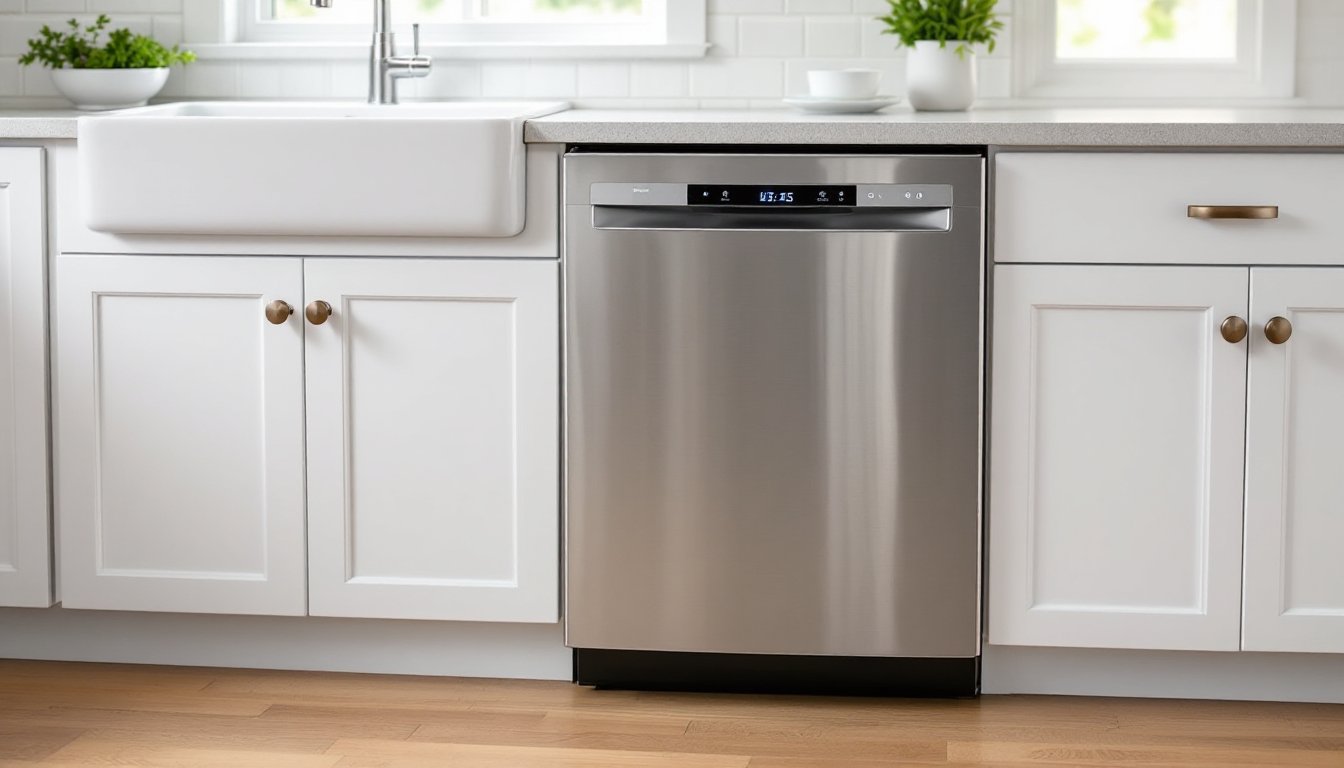

Shopping for a dishwasher used to mean choosing between brands and rack layouts. Now, control placement has become a major decision point. Front control dishwashers put the buttons on the door face, visible when the door’s closed, rather than along the top edge. This design shift affects everything from kitchen aesthetics to how easily you can start a load when your counters are piled with prep work. Whether you’re replacing a failing unit or outfitting a new kitchen, understanding the trade-offs between front and top control models will save you from buyer’s remorse down the line.
Table of Contents
ToggleKey Takeaways
- Front control dishwashers cost $400–$900 for mid-range models, making them significantly more affordable than top-control alternatives that typically range from $700–$1,400.
- Front control panels allow you to monitor cycle status, check remaining time, and troubleshoot errors without opening the door, keeping your hands clean during food prep.
- Look for models with stainless steel tub interiors, soil sensors, and EPA Energy Star certification to save $200–$300 on utilities over a decade while ensuring superior wash performance.
- Front control designs are easier to operate for users with mobility limitations or shorter stature since controls sit at eye level rather than requiring you to reach over the door edge.
- Choose a front control dishwasher with adjustable racks, a third utensil rack, and cycle options like sanitize and half-load wash to match your household’s actual washing habits.
- Maintain your dishwasher by cleaning the filter monthly, running cleaner tablets every 3–6 months, and inspecting the door gasket twice yearly to extend its 10–15 year lifespan.
What Is a Front Control Dishwasher?
A front control dishwasher features its control panel, buttons, dials, or touchpads, mounted on the front-facing door panel. When the door is closed, these controls remain visible and accessible. This contrasts with older or budget models that sometimes hide controls on the interior edge, and newer top-control units that tuck buttons along the door’s upper rim.
Most front control models use LED displays or backlit buttons positioned just below the handle. You’ll typically find settings for wash cycles (heavy, normal, light, rinse-only), delay start timers, heated dry options, and cycle progress indicators. Some units include soil sensors and adjustable rack height controls on the panel.
These dishwashers fit standard 24-inch openings (the industry norm for built-in models) and connect to the same plumbing and electrical hookups as any other dishwasher: a 120V circuit, hot water supply line, and drain connection. Installation dimensions and clearances are identical to top-control counterparts.
Front Control vs. Top Control Dishwashers: Key Differences
Control Accessibility
Front controls let you check cycle status, adjust settings, or pause the wash without bending down or opening the door. Top control panels require you to crack the door open to access buttons, inconvenient when you’re mid-cook and your hands are covered in flour or marinades.
Visual Impact
Front-facing buttons and displays are visible when the dishwasher is closed. Some homeowners prefer this functional look: others find it disrupts a streamlined kitchen facade, especially in contemporary or minimalist designs. Top controls create a completely smooth door front when paired with panel-ready models that accept custom cabinet panels.
Price Point
Front control dishwashers generally cost $400–$900 for mid-range models. Top control versions with similar wash performance typically run $700–$1,400, partly because they’re positioned as premium options by most manufacturers. Budget models under $400 nearly always use front controls.
Interior Capacity
Top control designs free up slightly more interior height on the door’s inside face, usually about 0.5–1 inch. This can matter if you frequently wash oversized platters or baking sheets. Front control units sacrifice that edge space for the control assembly but still accommodate standard 12–16 place setting capacities.
Benefits of Choosing a Front Control Dishwasher
Lower Upfront Cost
Front control models dominate the budget and mid-tier segments. If you’re working within a tight renovation budget or replacing a failed appliance quickly, you’ll find far more options under $600 with front controls than with top controls.
Easier Cycle Monitoring
Many modern front control dishwashers from reputable manufacturers project remaining cycle time on the control panel. You can glance at the door from across the room to see whether you have 15 minutes or an hour left, useful when timing dinner cleanup or trying to unload before bed.
Simpler Operation for All Users
Controls at eye level (or just below) are easier to read and operate for household members with mobility limitations, shorter stature, or visual impairments. Top controls require reaching over the door edge, which can be awkward for some users.
Faster Troubleshooting
When an error code appears, it displays on the front panel without requiring you to open the door mid-cycle. This can prevent water spills on the floor and lets you address issues (like a jammed spray arm or clogged filter) before the cycle completes.
More Widely Available
Major retailers and appliance stores stock a broader selection of front control units. If you need same-week delivery or in-store pickup, front control models are often in stock when top-control versions require special orders.
Potential Drawbacks to Consider
Aesthetic Concerns
Visible buttons and LED screens can clash with high-end kitchen designs that emphasize clean lines and integrated appliances. If your cabinets are custom or semi-custom with slab door fronts, a control panel interrupts that continuity. Panel-ready dishwashers exist but are almost exclusively top-control.
Accidental Activation
Front-mounted buttons are accessible to pets, small children, and wayward elbows. Some users report cycles accidentally paused or settings changed when leaning against the dishwasher while prepping food. Most models include a control lock feature, but it requires remembering to activate it.
Shorter Lifespan for Electronics
Controls exposed on the door face endure more wear from splashes, grease, and repeated contact. While manufacturers seal these components, front panels generally see more dirt buildup and tactile degradation over a 10–15 year lifespan compared to recessed top controls.
Less Flexibility with Custom Panels
If you later decide to install matching cabinet panels for a built-in look, front control models offer limited options. You can sometimes add a decorative kick plate or handle upgrade, but the control panel remains exposed. Top-control units accept full custom panels that conceal the entire door.
How to Choose the Best Front Control Dishwasher for Your Home
Wash Performance Specs
Look for models with stainless steel tub interiors (better heat retention and drying) and at least three spray arms. Soil sensors adjust water usage and cycle time based on load dirtiness, worth the extra $50–$100 on the purchase price for long-term water savings. Check the decibel rating: 44–48 dB is standard for mid-range units, while anything under 42 dB qualifies as whisper-quiet.
Rack Flexibility
Adjustable upper racks let you create clearance for tall items in the lower rack. Tine rows that fold down accommodate mixing bowls and cookware. A third rack (sometimes called a silverware or utensil rack) adds 20–30% more loading capacity compared to traditional basket-only designs, and many dishwasher buyers prioritize this feature.
Energy and Water Efficiency
EPA Energy Star certification indicates the unit uses less than 3.5 gallons per cycle and 270 kWh per year. Over a decade, that saves roughly $200–$300 on utility bills compared to older, non-certified models. Front control dishwashers span the full efficiency range, so check the yellow EnergyGuide label.
Cycle Options
Basic models offer 3–4 cycles: mid-tier units include 5–8. Useful extras include a sanitize cycle (heats water to 150°F+ to kill bacteria, helpful for baby bottles or cutting boards), a half-load or zone wash option (runs only the upper or lower rack), and an express wash under 60 minutes.
Installation Compatibility
Confirm your existing cutout dimensions: standard is 24 inches wide, 24 inches deep, and 34–35 inches tall. Measure the height from floor to underside of the counter, some units require 34.5 inches clearance. Check that your electrical circuit is a dedicated 120V, 15-amp line (required by most manufacturers and the National Electrical Code for dishwashers). Verify your hot water supply delivers 120°F water: anything below 110°F compromises detergent performance.
Warranty and Support
Look for at least a one-year full warranty on parts and labor, plus five years on the tub and door liner (stainless tubs rarely crack, but plastic liners can). Some brands offer extended warranties for an additional cost, worth considering if you’re installing in a vacation home or rental property where service calls are inconvenient.
Installation and Maintenance Tips
Pre-Installation Checks
Shut off the water supply and flip the breaker before removing the old unit. Most dishwashers secure with two mounting brackets screwed into the underside of the countertop, remove those screws first. Disconnect the drain hose (usually a 5/8-inch ribbed hose clamped to the garbage disposal or sink tailpiece) and the water supply line (a braided stainless or copper tube with a compression fitting).
If you’re replacing an older model, inspect the drain hose routing. Code requires an air gap or high loop to prevent backflow. An air gap is a chrome or plastic fitting on the sink deck: a high loop secures the hose to the underside of the counter with a bracket, creating a “hill” the water must climb. Skipping this step risks dirty sink water siphoning back into the dishwasher.
Electrical Connection
Most jurisdictions allow hardwiring or plug-in connections. Hardwired installations use a junction box (typically located in the sink base cabinet) and require a licensed electrician in many areas. Plug-in models use a standard 3-prong cord and outlet under the sink, easier for DIY but check local code. Never use an extension cord.
Leveling and Securing
Adjust the front leveling legs (usually two threaded feet at the front corners) until the unit is plumb side-to-side and front-to-back. Use a torpedo level on the door edges. An unlevel dishwasher won’t drain fully, leading to standing water and odors. Once level, secure the unit to the countertop with the provided mounting brackets and screws, this prevents tipping when the door is open and loaded.
Routine Maintenance
Clean the filter assembly monthly (located in the tub floor beneath the lower spray arm). Remove, rinse under hot water, and scrub with a soft brush to clear food particles. A clogged filter reduces wash performance and can strain the drain pump.
Run a dishwasher cleaner tablet (citric acid-based or manufacturer-recommended product) every 3–6 months to dissolve mineral deposits and grease buildup in the spray arms and sump. For hard water areas, consider adding a rinse aid to the dispenser, it prevents spotting on glassware and helps with drying.
Inspect the door gasket (the rubber seal around the tub opening) twice a year. Wipe it down with a damp cloth to remove debris. Cracks or tears in the gasket cause leaks: replacements cost $15–$40 and install with a friction fit (no adhesive needed on most models).
Safety Considerations
Wear rubber gloves when handling the filter or reaching into the tub, spray arms can have sharp edges. If you smell gas or notice unusual electrical arcing, shut off power and water immediately and call a technician. Never run a dishwasher unattended overnight if it’s shown any signs of leaking, a failed door seal or loose hose clamp can dump gallons of water into your cabinets.
Conclusion
Front control dishwashers deliver solid performance at accessible price points, making them a practical choice for most kitchens. They won’t disappear into custom cabinetry, but they’re easier to operate and troubleshoot than top-control alternatives. Match the cycle options, rack layout, and noise level to your household’s actual habits, not aspirational ones, and you’ll end up with an appliance that earns its real estate under the counter for the next decade-plus.