
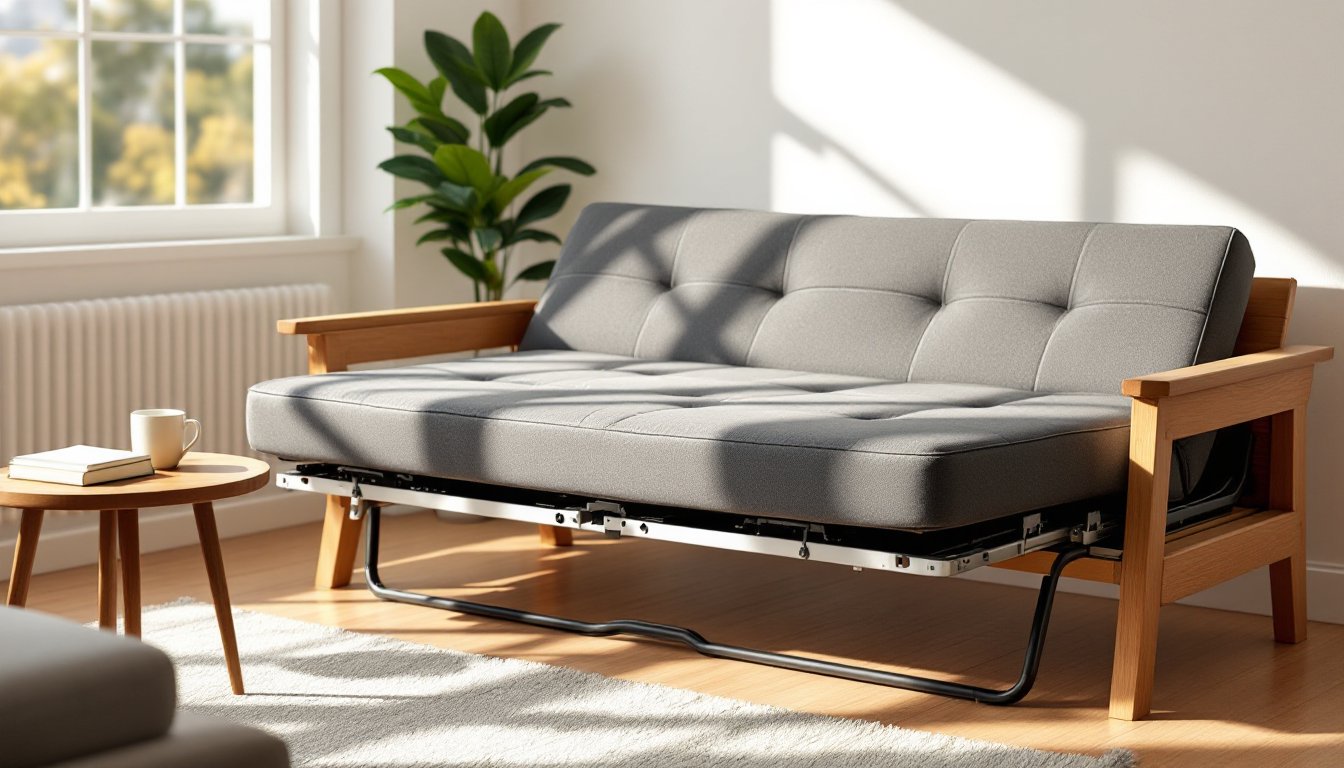

Space is a premium in most homes. Whether outfitting a studio apartment, furnishing a guest room, or adding flexible seating to a home office, the futon sleeper sofa offers a practical solution that doesn’t compromise on function. It’s not your college dorm futon anymore, modern versions deliver real comfort, durable frames, and designs that blend into nearly any interior style. This guide walks through everything needed to choose, place, and maintain a futon sleeper sofa that works hard without taking up unnecessary square footage.
Table of Contents
ToggleKey Takeaways
- A futon sleeper sofa converts from sofa to bed in seconds with a simple lift-and-pull motion, making it ideal for small spaces like studios, guest rooms, and home offices without requiring complex mechanisms or tools.
- Modern futon sleeper sofas range from $300–$500 and cost significantly less than traditional sleeper sofas (which start around $800), while offering multiple lounging positions and easier maintenance access underneath.
- Choose frame material based on priorities: metal frames are lightweight and durable, solid wood frames provide sturdiness and aesthetics, but engineered wood is budget-friendly only if construction quality is verified.
- Futon mattress thickness (6–10 inches) directly impacts both fold-ability and comfort—thinner options fold easier while thicker foam and memory foam hybrids feel more like a real bed but require sturdier frames and clearance.
- Rotation and flipping every three to four months, regular vacuuming, and monthly airing out extend your futon sleeper sofa’s lifespan to 5–7 years, with quality frames lasting decades when properly maintained.
- Match your futon’s design style, frame material, and cover fabric to your room’s aesthetic—neutral colors hide wear and coordinate with changing decor, while armless or low-profile models maximize sleeping surface in modern or minimalist spaces.
What Is a Futon Sleeper Sofa and How Does It Work?
A futon sleeper sofa is a convertible piece of furniture that transitions between a sofa and a bed using a hinged frame and a single continuous mattress. Unlike traditional sleeper sofas that hide a separate mattress inside the frame, futons fold the same cushion into both positions.
The frame typically features three positions: upright (sofa), reclined (lounger), and flat (bed). Most operate with a simple lift-and-pull motion, lift the seat deck slightly, pull forward or push back depending on the hinge design, and lock into place. No tools, no complicated mechanisms.
Frame materials vary widely. Metal frames (usually steel tubing) offer durability and a lighter weight, making them easier to move and reposition. Solid wood frames, commonly pine, oak, or birch, provide sturdiness and a more traditional aesthetic but add weight. Engineered wood frames are budget-friendly but check construction quality: particleboard won’t hold up to frequent conversion.
Futon mattresses range from basic cotton batting to multi-layer foam, innerspring, and memory foam hybrids. Thickness runs from 6 to 10 inches: thinner mattresses fold more easily but sacrifice sleeping comfort, while thicker options feel more like a real bed but require sturdier frames and more clearance when converting.
Key Benefits of Choosing a Futon Sleeper Sofa for Your Home
Space efficiency tops the list. A standard futon sleeper sofa occupies roughly the same footprint as a regular sofa, typically 70 to 84 inches wide and 30 to 36 inches deep when upright, but converts to a full- or queen-size sleeping surface. That’s a game-changer in tight quarters where a separate guest bed isn’t feasible.
Cost savings make futons appealing for budget-conscious projects. Quality futon sleeper sofas start around $300 to $500, while traditional sleeper sofas with pull-out mechanisms often begin north of $800. The simpler mechanism means fewer moving parts that can break or wear out over time.
Versatility extends beyond sleeping. The reclined position works well for reading, gaming, or casual TV watching without committing to a full bed setup. It’s also easier to clean underneath, most futons sit higher off the floor than standard sofas, giving better access for vacuuming.
Ease of conversion is where futons shine compared to traditional sleepers. No wrestling with a heavy pull-out frame or trying to tuck sheets around a fold-out mattress in a cramped cavity. Conversion takes about 10 seconds and doesn’t require clearing coffee tables or shifting furniture.
One honest trade-off: futon mattresses don’t match the sleeping comfort of a dedicated mattress for long-term use. They work great for occasional guests or short-term sleeping, but if someone’s using it nightly, invest in a higher-end mattress with proper support layers.
Types of Futon Sleeper Sofas: Finding Your Perfect Match
Bi-fold futons are the classic design. The mattress folds once in the middle, with the frame hinging at the seat and back junction. They’re the most common type, available in widths from loveseat (54 inches) to full sofa (84 inches). Simple, reliable, and easy to find replacement mattresses for.
Tri-fold futons split the mattress into three sections, creating a more compact fold when stored upright. This design works well in extremely tight spaces or against low windows where a tall backrest would block light. The extra fold can create a slight gap or ridge when flattened, so test before buying if sleep comfort is a priority.
Convertible futon chairs are single-person units, typically 32 to 40 inches wide, that fold out into a twin-size sleeping surface. Perfect for kids’ rooms, small home offices, or dorm setups. They won’t accommodate couples but offer maximum space savings.
Futon sofa beds with armrests add traditional sofa styling with wooden or upholstered arms. They look more like conventional furniture and provide a defined seating area, but armrests reduce the usable sleeping width, a 78-inch frame might only offer 60 inches of actual mattress width.
Armless or low-profile futons maximize sleeping surface and work well in modern or minimalist spaces. Some models sit closer to the floor, echoing Japanese-inspired design. These require getting up from a lower position, which might not suit everyone, especially older users.
Material choice impacts both aesthetics and maintenance. Microfiber covers resist stains and clean easily but can pill over time. Cotton and linen blends breathe well and suit warmer climates. Faux leather wipes clean quickly but may crack with heavy use unless properly conditioned.
How to Choose the Right Futon Sleeper Sofa for Your Space
Start with room measurements. Measure the wall space where the futon will sit upright, then confirm there’s clearance for the bed position, most futons extend 75 to 80 inches from the wall when flat. Account for at least 30 inches of walking space on at least one side for making the bed and moving around.
Doorway and stairwell access matters more than you’d think. Measure door frames (standard is 32 inches but older homes may be narrower) and stairwell turns. Metal-frame futons typically disassemble for easier moving: solid wood frames may not. If you’re on a second floor or dealing with tight corners, consider ordering a model that ships in pieces.
Weight capacity varies significantly. Budget futons may only support 400 to 500 pounds total (frame plus occupants), while reinforced models handle 600 to 750 pounds. If two adults will regularly sleep on it, don’t skimp here, check the manufacturer’s spec sheet, not just marketing materials.
Mattress type should match intended use. For occasional guests (a few nights per month), a 6- to 8-inch foam or cotton blend works fine. For regular use or heavier individuals, upgrade to an 8- to 10-inch innerspring or memory foam hybrid. Mattresses are usually sold separately or as package deals: confirm compatibility if buying components separately.
Frame height affects both sitting comfort and accessibility. Standard seat height is 17 to 19 inches off the floor, similar to a regular sofa. Lower-profile models sit at 12 to 15 inches, which looks sleek but can be tough on knees when standing up.
Check the locking mechanism. Quality futons use metal locking brackets or pins that click securely into place. Cheap designs rely on friction or gravity, which can slip during use, not what anyone wants at 2 a.m.
Best Rooms and Design Styles for Futon Sleeper Sofas
Guest rooms and home offices are natural fits. A futon provides daily seating for desk work or reading, then converts for overnight visitors without monopolizing floor space. Pair with a small side table and reading lamp for a functional multi-use area.
Studio apartments benefit enormously from futon flexibility. Position it to define the sleeping zone during the day, then convert at night. Many small space living strategies rely on this kind of dual-purpose furniture to maximize usable square footage without visual clutter.
Basement rec rooms and finished attics work well for futons, especially armless or low-profile designs that maintain an open feel. These spaces often double as media rooms and overflow sleeping areas during holidays, exactly what futons excel at.
Kids’ rooms and playrooms can use smaller futon chairs or loveseats for reading nooks that convert to sleepover accommodations. Look for durable, washable covers if young kids are involved.
Style-wise, futons adapt to most aesthetics with the right frame and cover choices. Mid-century modern schemes pair nicely with walnut or teak wood frames and neutral linen upholstery. Industrial spaces suit metal frames with leather or dark canvas covers. Scandinavian minimalism calls for light wood frames, low profiles, and simple fabrics in whites or soft grays.
For contemporary furniture aesthetics, consider armless futons with tapered wooden legs and geometric cushion designs. They maintain clean lines without the bulk of traditional sleeper sofas.
Color and pattern choices follow the same rules as any upholstered furniture. Neutrals (gray, beige, charcoal) hide wear and coordinate with changing decor. Bold patterns or saturated colors make a statement but commit the room to that palette. Removable, washable covers offer the best flexibility for swapping styles or dealing with spills.
Maintenance Tips to Keep Your Futon Sleeper Sofa Looking New
Rotate and flip the mattress every three to four months to prevent permanent sagging in the seat position. Most futon mattresses are reversible, flipping distributes compression across both surfaces and extends usable life.
Vacuum regularly using an upholstery attachment to pull out dust, crumbs, and pet hair that settle into seams and tufting. This prevents fabric degradation and keeps allergens in check. For deeper cleaning, spot-treat stains immediately with a fabric cleaner appropriate to the cover material, test in an inconspicuous area first.
Air out the mattress monthly by opening it flat and allowing air circulation on both sides. This prevents moisture buildup and musty odors, especially in humid climates or poorly ventilated rooms. If possible, place it in sunlight for a few hours, UV exposure naturally kills bacteria and freshens fabric.
Tighten frame hardware every six months. Repeated conversions loosen bolts and screws over time, leading to wobbles or squeaks. Keep an Allen wrench or appropriate screwdriver handy and check all connection points. Metal frames may develop minor surface rust in damp environments: treat with a rust converter and touch-up paint before it spreads.
Use a mattress protector if the futon sees regular sleeping use or if you have pets. Waterproof, breathable covers prevent spills and accidents from penetrating the core, which is nearly impossible to fully clean once saturated.
Replace the mattress when it no longer returns to shape after sitting or shows visible lumps and sagging. Futon mattresses typically last 5 to 7 years with moderate use, less if used nightly or subjected to heavy weight. Frames outlast mattresses significantly, a quality wood or metal frame can serve for decades with proper care.
For those interested in broader home decor maintenance strategies, treating a futon like any quality upholstered piece, regular care, immediate stain treatment, and periodic deep cleaning, keeps it functional and attractive far longer than neglect.
Conclusion
Futon sleeper sofas deliver genuine versatility when space is tight or budgets are firm. The key is matching frame quality, mattress comfort, and design style to actual use. Measure carefully, prioritize sturdiness over price alone, and maintain the piece with the same attention given to any hardworking furniture. Done right, a futon sleeper sofa becomes a workhorse that adapts as needs change, exactly what smart home furnishing is all about.