
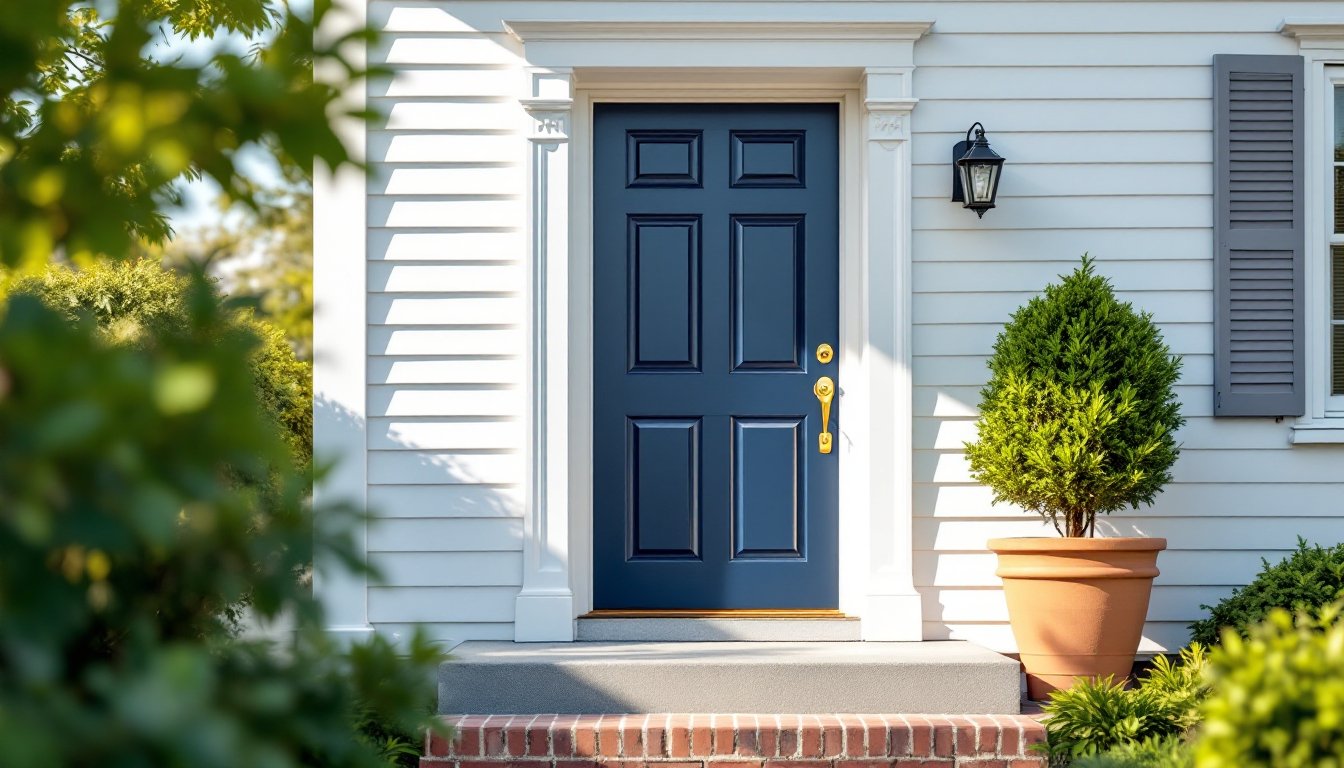

Your front door is the handshake your home offers before anyone steps inside. It’s the focal point that visitors notice first, and it carries more weight in curb appeal than most homeowners realize. A fresh coat of paint in the right color can shift the entire vibe of your home’s exterior, from dated to designer-worthy, without the cost of a full renovation. Whether you’re prepping to sell or just tired of looking at builder-beige, choosing a door color that complements your home’s architecture and your neighborhood’s character is one of the highest-impact DIY projects you can tackle. This guide walks through timeless options, current trends, selection strategy, and the prep and paint steps that make the difference between a pro finish and a weekend regret.
Table of Contents
ToggleKey Takeaways
- Front door paint color is one of the highest-impact exterior upgrades, directly affecting curb appeal, perceived home value, and buyer interest in seconds.
- Timeless exterior door paint colors like black, navy, deep red, and forest green work across architectural styles and won’t feel dated, while 2026 trends favor warm, sophisticated hues like terracotta, sage, and charcoal.
- Matching your door color to your home’s existing siding, trim, roofing, and architectural style creates cohesion; test paint samples on poster board in different lighting before committing.
- Acrylic latex paint in satin or semi-gloss finish is ideal for exterior doors, with proper prep work (cleaning, sanding, and primer) being the difference between a professional result and premature peeling.
- Paint your door horizontally across sawhorses or remove hardware entirely for cleaner lines, apply two thin coats rather than one thick coat, and allow proper curing time before reinstalling hardware.
Why Your Front Door Color Matters More Than You Think
A front door does more than keep the weather out. It signals personality, influences perceived home value, and can even affect buyer interest if you’re on the market. Real estate agents consistently note that homes with bold, well-chosen door colors photograph better and generate more showings than homes with neutral or faded entries.
Beyond resale, your door color sets the tone for the entire facade. A cohesive palette, where siding, trim, shutters, and door work together, looks intentional. A mismatched door looks like an afterthought. If your home’s exterior feels flat or monotone, the door is often the easiest place to introduce contrast and depth without repainting the whole house.
Color psychology plays a role, too. Warm tones like red and orange convey energy and welcome, while cooler hues like navy and charcoal suggest sophistication and restraint. The right choice depends on your home’s style, your street’s norms, and how much you want to stand out (or blend in).
Classic Exterior Door Colors That Never Go Out of Style
Some colors have staying power because they work across architectural styles and stand up to shifting trends. If you want a safe bet that won’t feel dated in five years, start here.
Black remains the gold standard for traditional and modern homes alike. It pairs well with nearly any siding color, white, gray, brick, stone, or wood, and adds instant polish. On Colonial, Craftsman, and contemporary builds, a black door anchors the facade with quiet confidence.
Navy blue offers the formality of black with a bit more personality. It’s especially effective on homes with white or light gray siding and works beautifully with brass or nickel hardware. Navy reads as classic without feeling stark.
Deep red or burgundy brings warmth and tradition, particularly on brick homes or farmhouses. It’s inviting without being loud, and it holds up well in full sun if you use a high-quality exterior paint with UV inhibitors.
Forest green suits homes with natural wood siding, stone accents, or wooded settings. It feels grounded and timeless, especially on Cape Cods, ranches, and cabins. Pair it with cream or white trim for best results.
These colors work because they don’t compete with the home, they complete it.
Trending Door Paint Colors for 2026
While classics endure, color trends evolve with interior design and cultural shifts. In 2026, expect to see more sophisticated color palettes that lean into warmth, depth, and natural inspiration.
Terracotta and rust are showing up on doors across the Sunbelt and Pacific Northwest. These earthy, clay-toned shades work on stucco, wood, and modern fiber-cement siding. They’re bold without being garish and pair well with sage green or warm white trim.
Soft sage and muted olive continue to gain ground, especially on Scandinavian-inspired and cottage-style homes. These greens feel organic and calm, offering contrast without the intensity of emerald or hunter.
Charcoal gray has matured beyond the gray-on-gray monotone trend. When used on the door with crisp white trim and a contrasting accent color on shutters or planters, charcoal delivers modern sophistication.
Warm taupe and greige are replacing builder beige. These neutral-plus tones add warmth and work on homes where the owners want a refresh without a bold statement. They’re practical in HOA-restricted neighborhoods, too.
Trends are useful reference points, but the best door color is the one that fits your home’s bones and your taste, not just what’s popular on design blogs this season.
How to Choose the Perfect Door Color for Your Home’s Style
Start by identifying your home’s architectural style and existing color palette. A Victorian’s gingerbread trim can handle a jewel tone like teal or plum, but a mid-century ranch looks best with muted, understated hues.
Look at your siding and trim colors. If your siding is a warm neutral (cream, tan, soft gray), warm door colors, rust, red, olive, will harmonize. Cool-toned siding (blue-gray, white, charcoal) pairs best with navy, black, or cool greens.
Consider your roofing and hardscape. A brown or terracotta roof calls for earthy door colors. Black or gray roofing is more flexible. Brick walkways and stone veneers introduce their own color notes, choose a door color that either complements or contrasts intentionally.
Test before committing. Buy sample pots and paint poster board or foam core in your top three choices. Prop them against the door at different times of day. Morning light, midday sun, and evening shade all shift how color reads. What looks sophisticated at noon might feel drab at dusk.
If you’re in a neighborhood with an HOA or design review board, confirm your color choice is compliant before you buy five gallons of custom-tinted paint.
Don’t ignore hardware and accents. Brass or gold hardware warms up dark colors. Nickel and chrome keep things crisp. If you’re planning to replace the lockset, door knocker, or house numbers, factor those finishes into your color decision.
Best Paint Types and Finishes for Exterior Doors
Not all exterior paint is created equal, and doors take more abuse than siding. You need a product that resists fading, moisture, and the repeated flex of opening and closing.
Acrylic latex is the go-to for most exterior doors. It’s durable, flexible, and cleans up with water. Look for a formula labeled “door and trim” or “high-traffic exterior.” These typically include more resin and better UV inhibitors than standard exterior wall paint. Coverage is usually around 350–400 square feet per gallon, so one quart handles most doors with two coats.
Oil-based (alkyd) paint offers a harder, smoother finish and is more resistant to dings and scuffs. It’s ideal for high-traffic entries or if you’re chasing a glass-like sheen. The trade-off: longer dry times (12–24 hours between coats), stronger fumes, and cleanup requires mineral spirits. Oil-based is harder to find in some states due to VOC regulations.
For finish, satin or semi-gloss is standard. Satin hides minor imperfections and offers subtle sheen. Semi-gloss is easier to wipe down and resists moisture better, which matters if your door gets rain or sprinkler splash. Skip flat or matte finishes, they don’t hold up outdoors and show every fingerprint.
If your door is fiberglass or steel, confirm the paint is compatible. Some fiberglass doors require a primer formulated for non-porous surfaces. Steel doors benefit from a rust-inhibiting primer before topcoat, especially along edges and hardware cutouts.
Many home improvement resources recommend using a primer even on previously painted doors if you’re making a drastic color change (light to dark or vice versa). It improves adhesion and color accuracy.
DIY Door Painting Tips for a Professional-Looking Finish
Prep work makes or breaks the outcome. If you rush this stage, you’ll see roller marks, peeling, and uneven coverage within a year.
Remove hardware if possible, lockset, deadbolt, kick plate, and door knocker. Painter’s tape works, but hardware removal gives cleaner lines and prevents paint buildup around edges. If you can’t remove the door, tape off the jamb and hinges. Mask glass panels with tape and paper.
Clean and sand the existing surface. Wash the door with a degreaser or TSP substitute to remove dirt, pollen, and oxidation. Rinse and let dry fully. Sand with 120-grit or 150-grit sandpaper to scuff the old finish and smooth any rough spots. Wipe down with a tack cloth or damp rag to remove dust.
If there’s bare wood or exposed metal, apply a coat of primer. For previously painted doors in good shape, you can skip primer if you’re staying in the same color family and using a paint-and-primer-in-one product. But primer is cheap insurance.
Use a brush and roller combo for best results. A 2-inch or 2.5-inch angled brush handles panels, edges, and trim. A 4-inch foam roller covers flat sections faster and minimizes brush marks. Work in sections: do the recessed panels first, then the rails (horizontal pieces), then the stiles (vertical pieces). This keeps a wet edge and prevents lap marks.
Apply two thin coats rather than one thick coat. Thick paint sags, especially in grooves and on vertical surfaces. Let the first coat dry per the manufacturer’s instructions, usually 4–6 hours for latex, longer for oil-based.
Wear safety gear: nitrile gloves if using oil-based paint, and a respirator or N95 mask if you’re working in a garage or enclosed porch. Exterior paint has lower VOCs than it used to, but ventilation still matters.
If you paint the door in place, prop it open with a door wedge or remove the hinge pins and lay it across sawhorses in the garage. A horizontal surface eliminates drips and gives you access to all edges. Just make sure the door has acclimated to ambient temperature, painting a cold door in a warm garage can cause moisture issues.
Reinstall hardware once the paint has cured (usually 24–48 hours), not just dried. Curing time varies by product and humidity, so check the label.
Conclusion
A well-chosen, properly painted front door is one of the simplest ways to elevate your home’s exterior without a major investment. Whether you lean toward timeless neutrals or embrace a trending hue, the key is matching the color to your home’s architecture, preparing the surface thoroughly, and using the right paint and tools for a durable, professional finish. Take your time with prep, test your color in real light, and don’t skip the second coat, it’s what separates a DIY job from a designer look.